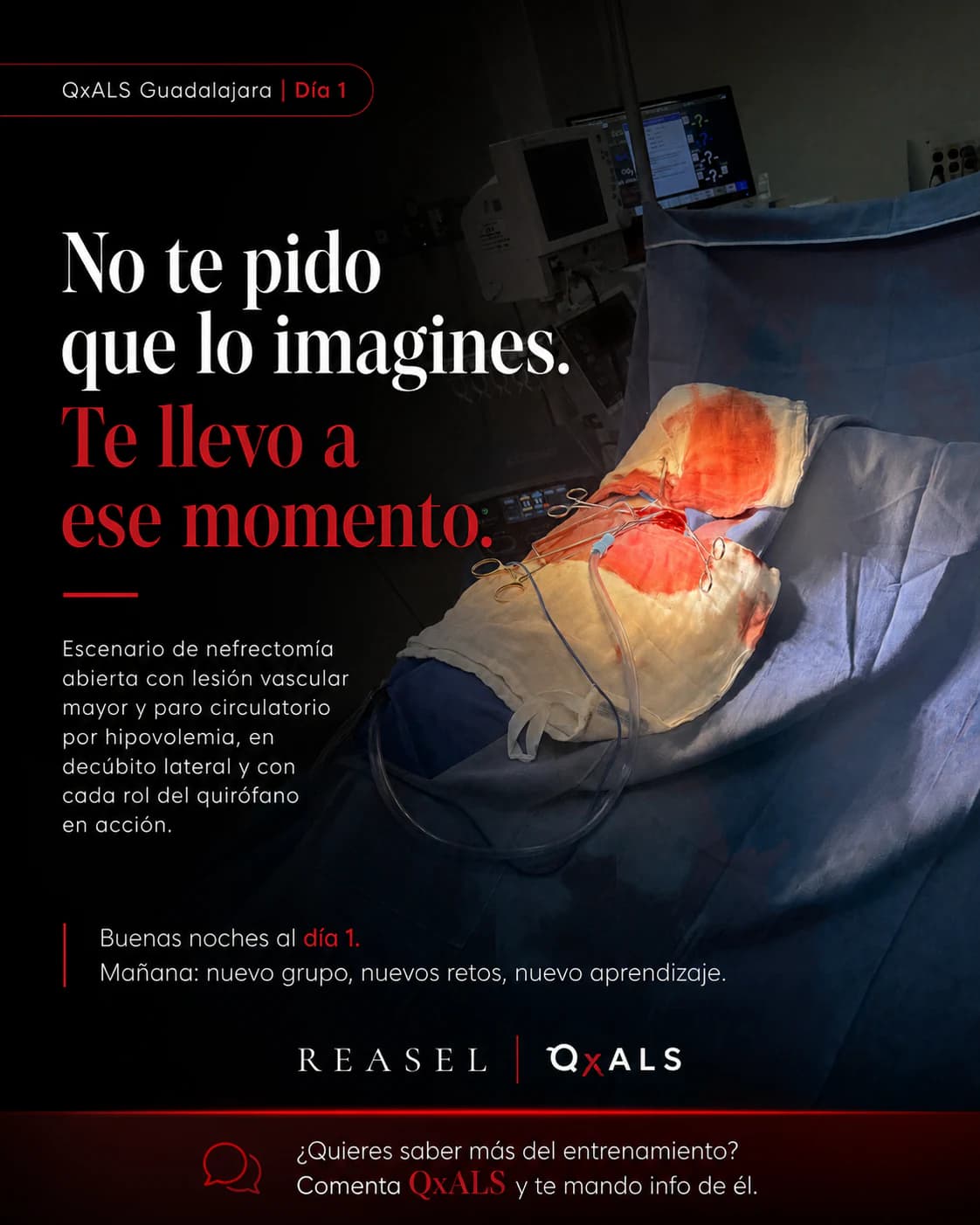
The simulation places the team in a complex crisis and calls for coordination across operating-room roles.
Imagining the crisis is not enough: the team must recognize it, organize itself, and act within the scenario.
In-person experience · QxALS Adult
The in-person phase turns theory into decisions, actions, and coordination through progressive clinical scenarios designed for the perioperative setting.
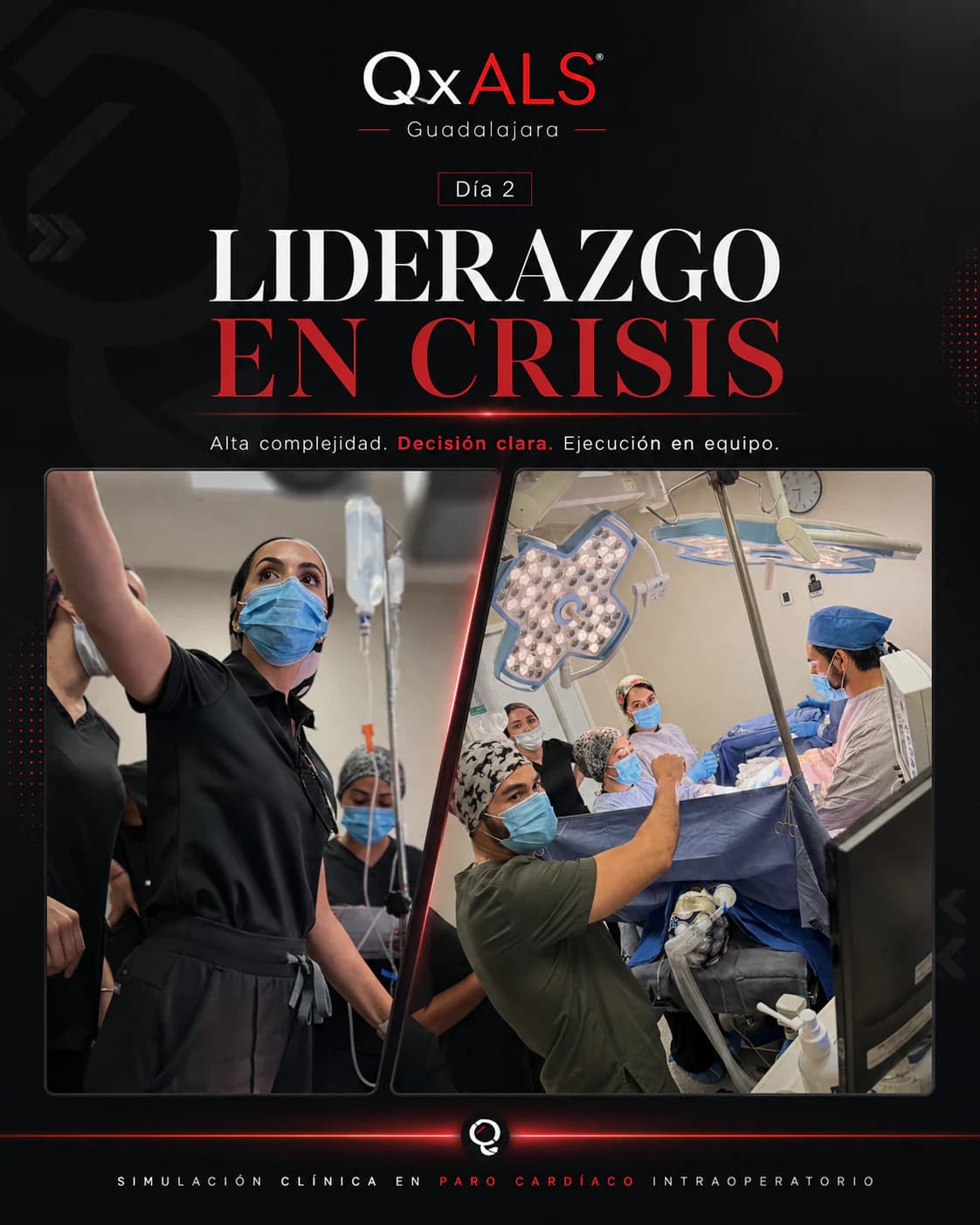
High complexity, clear decisions, and coordinated execution.
Documentation of a real educational experience. All clinical scenes shown used simulators; they do not depict the care of real patients.
Clinical immersion
The scenario recreates time pressure, incomplete information, and simultaneous tasks. The goal is not to memorize a sequence, but to recognize deterioration, set priorities, and coordinate the response.
The simulation places the team in a complex crisis and calls for coordination across operating-room roles.
Imagining the crisis is not enough: the team must recognize it, organize itself, and act within the scenario.
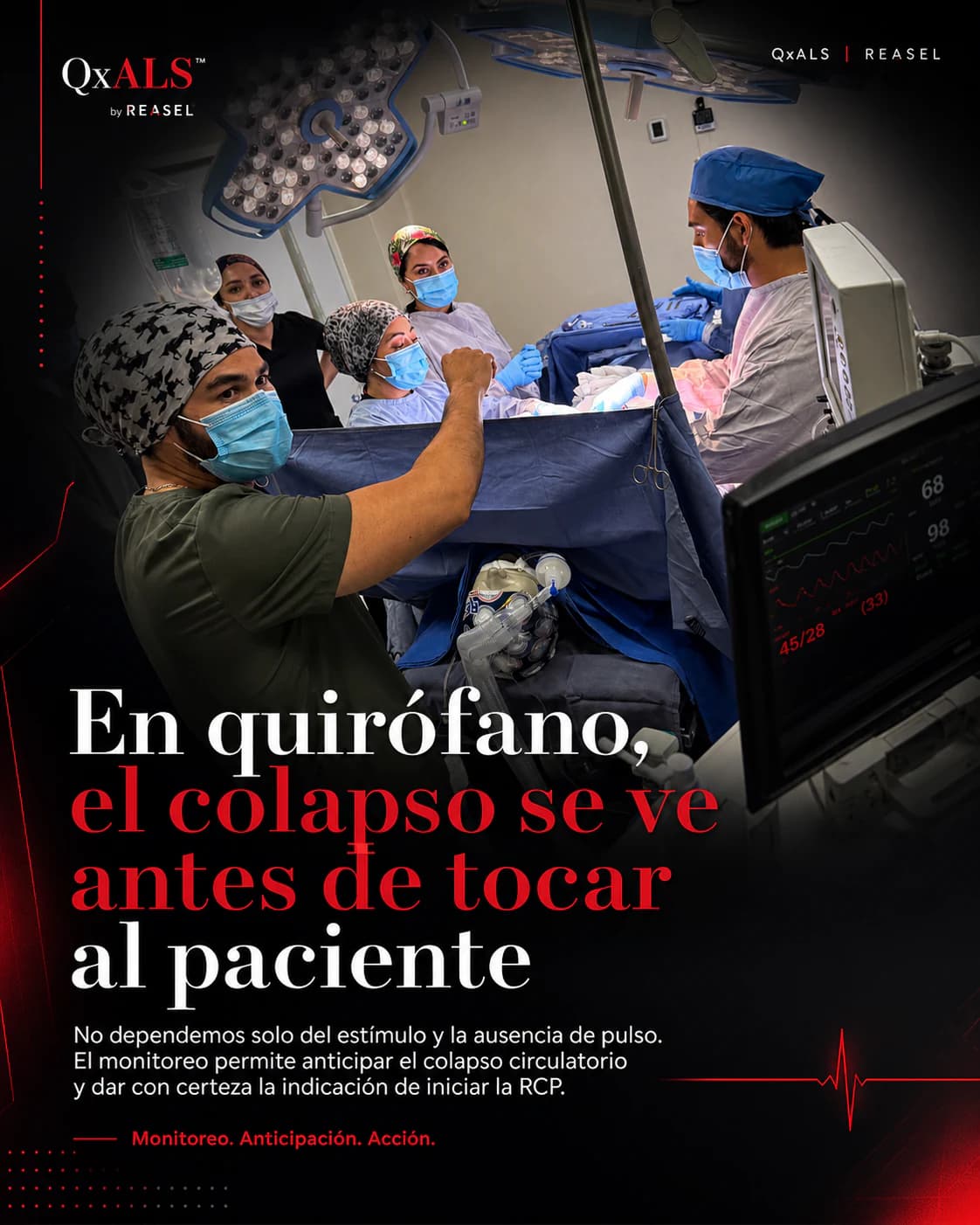
In the operating room, deterioration may be recognized before touching the patient.
Training brings physiology and monitoring together to anticipate collapse and act with greater confidence.
The participant journey
The session follows a deliberate cycle of preparation, practice, and reflection. Each stage serves a distinct purpose in learning.
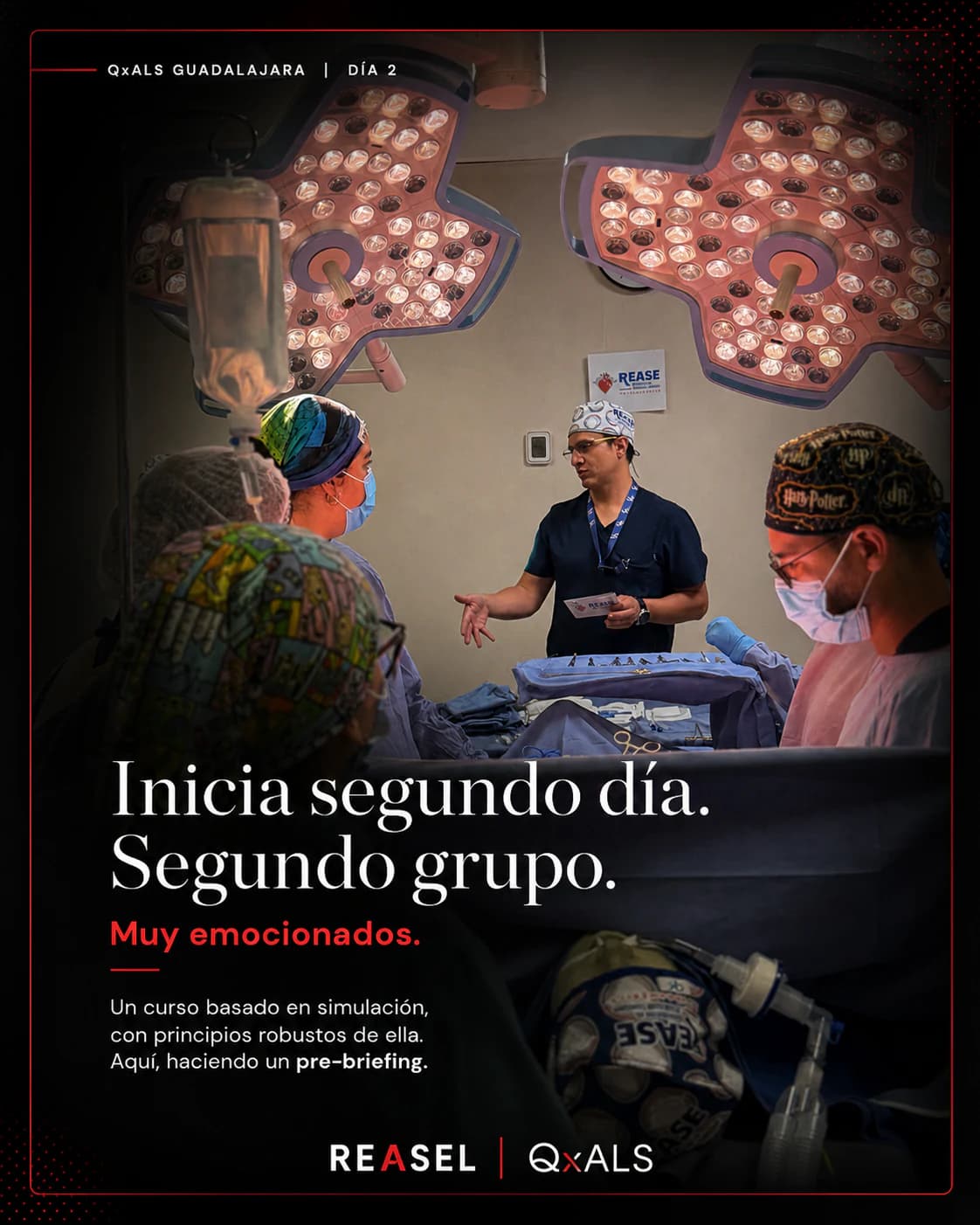
The prebriefing sets objectives and ground rules in a safe learning environment.
The experience begins before the case: clear expectations and psychological safety support learning.
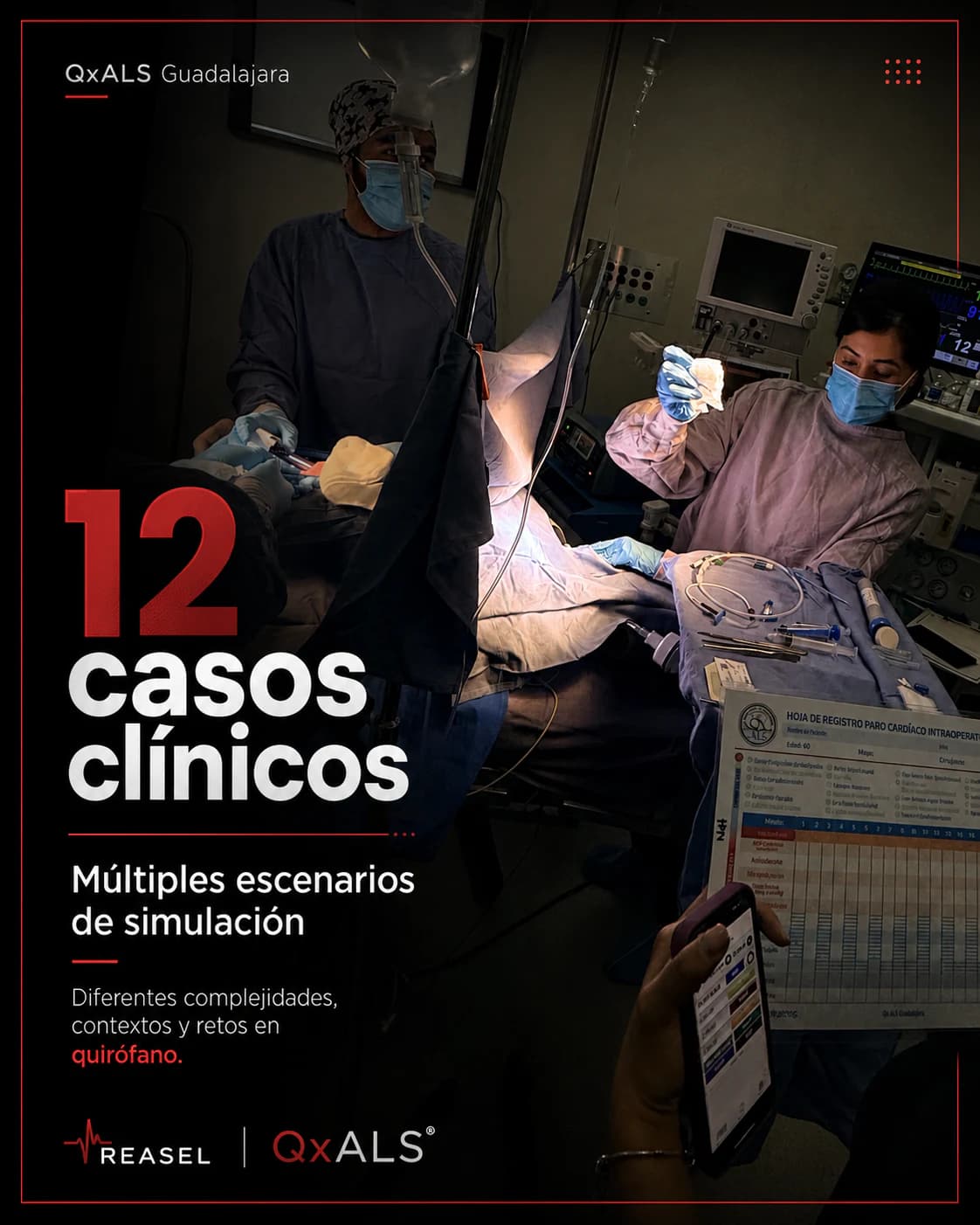
The cases introduce different levels of complexity, contexts, and operating-room challenges.
Deliberate variation between scenarios requires adapting decisions while keeping a structured response.
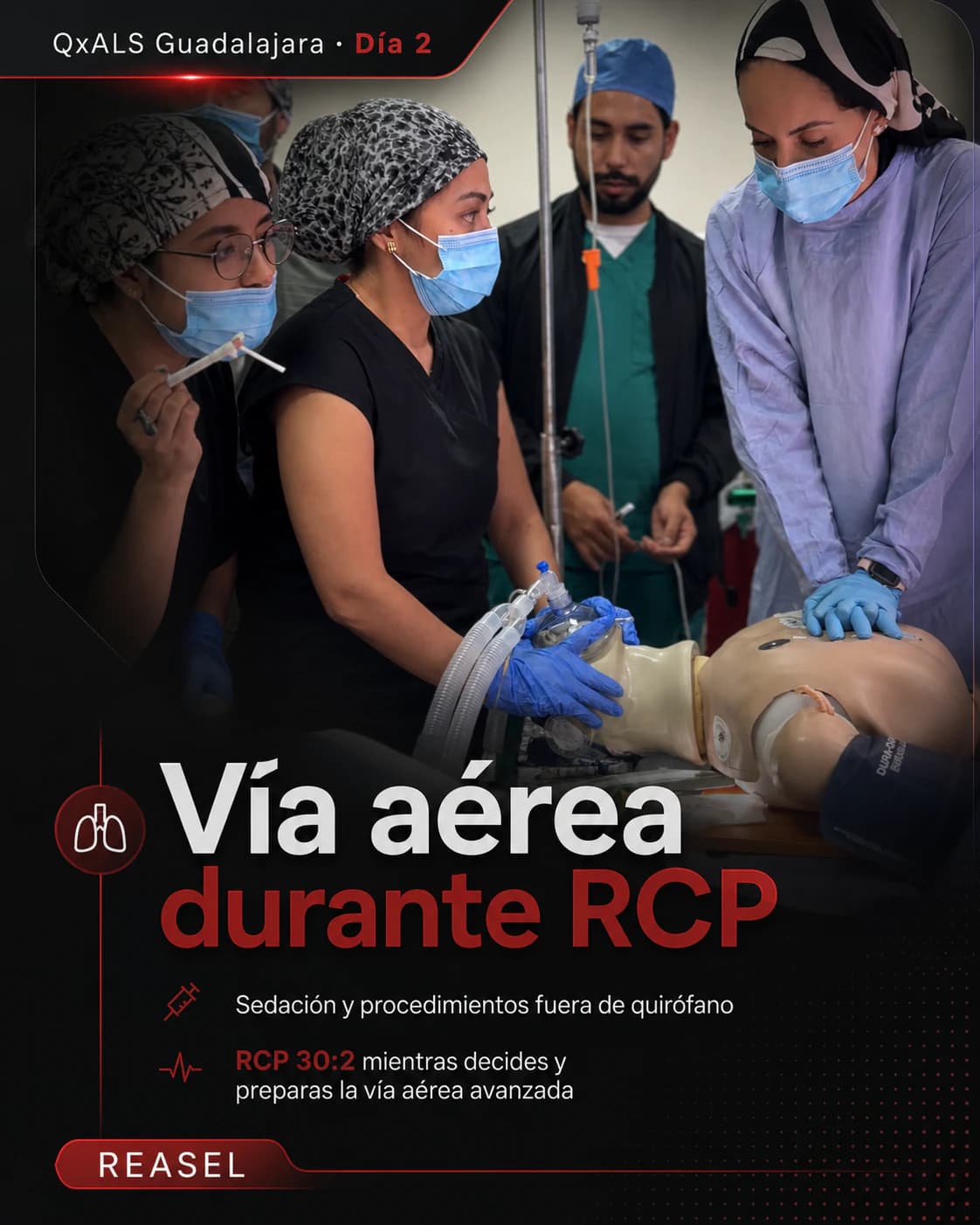
Airway management is integrated into resuscitation without interrupting the priorities of the initial response.
Making decisions, preparing the airway, and maintaining high-quality CPR are concurrent team actions.
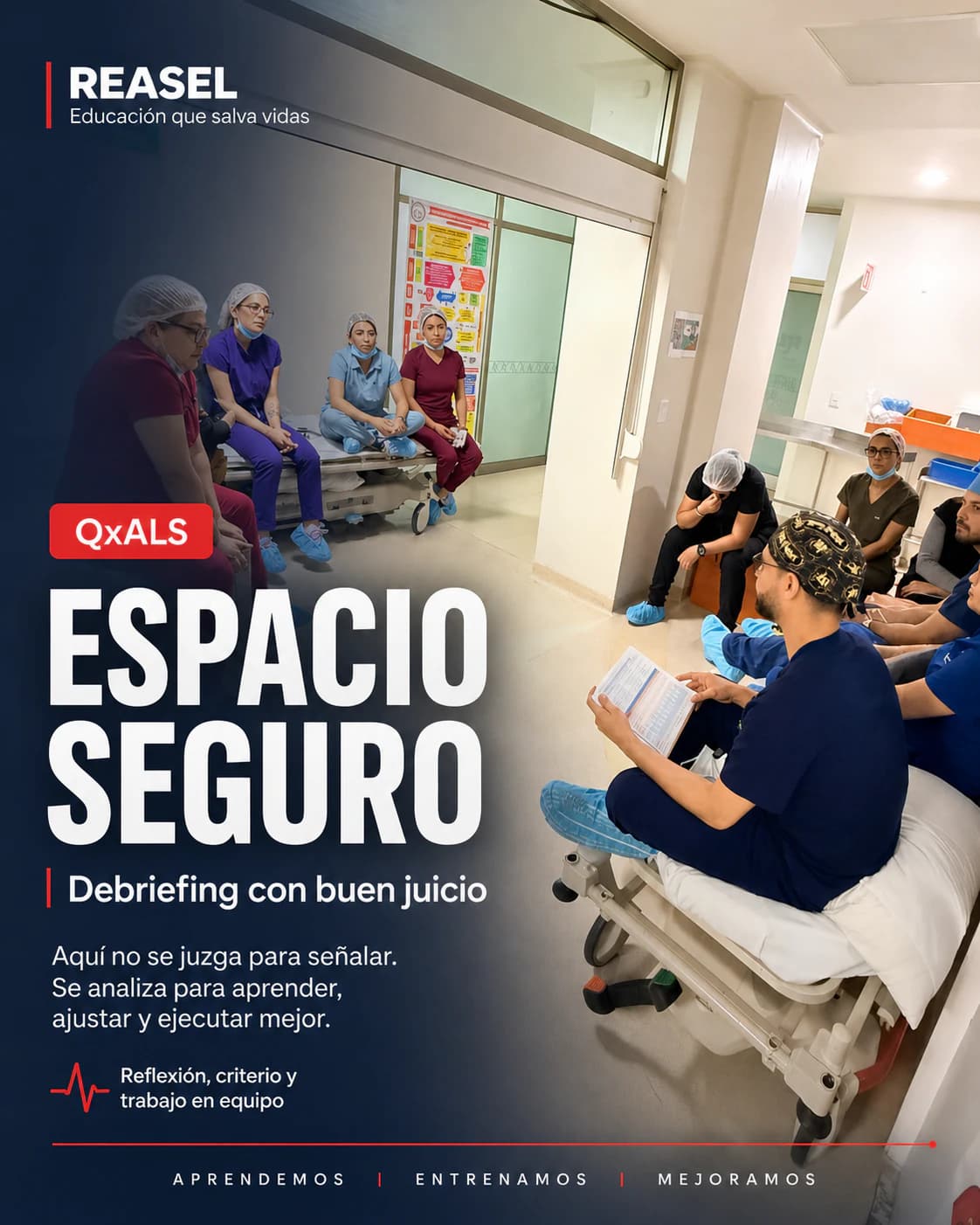
A safe space makes it possible to analyze, adjust, and perform better the next time.
Debriefing is not about blaming people; it turns experience into reflection, judgment, and team learning.
How learning works
Stations, cognitive aids, and working materials reduce unnecessary load so the team can focus on decisions, communication, and collective performance.
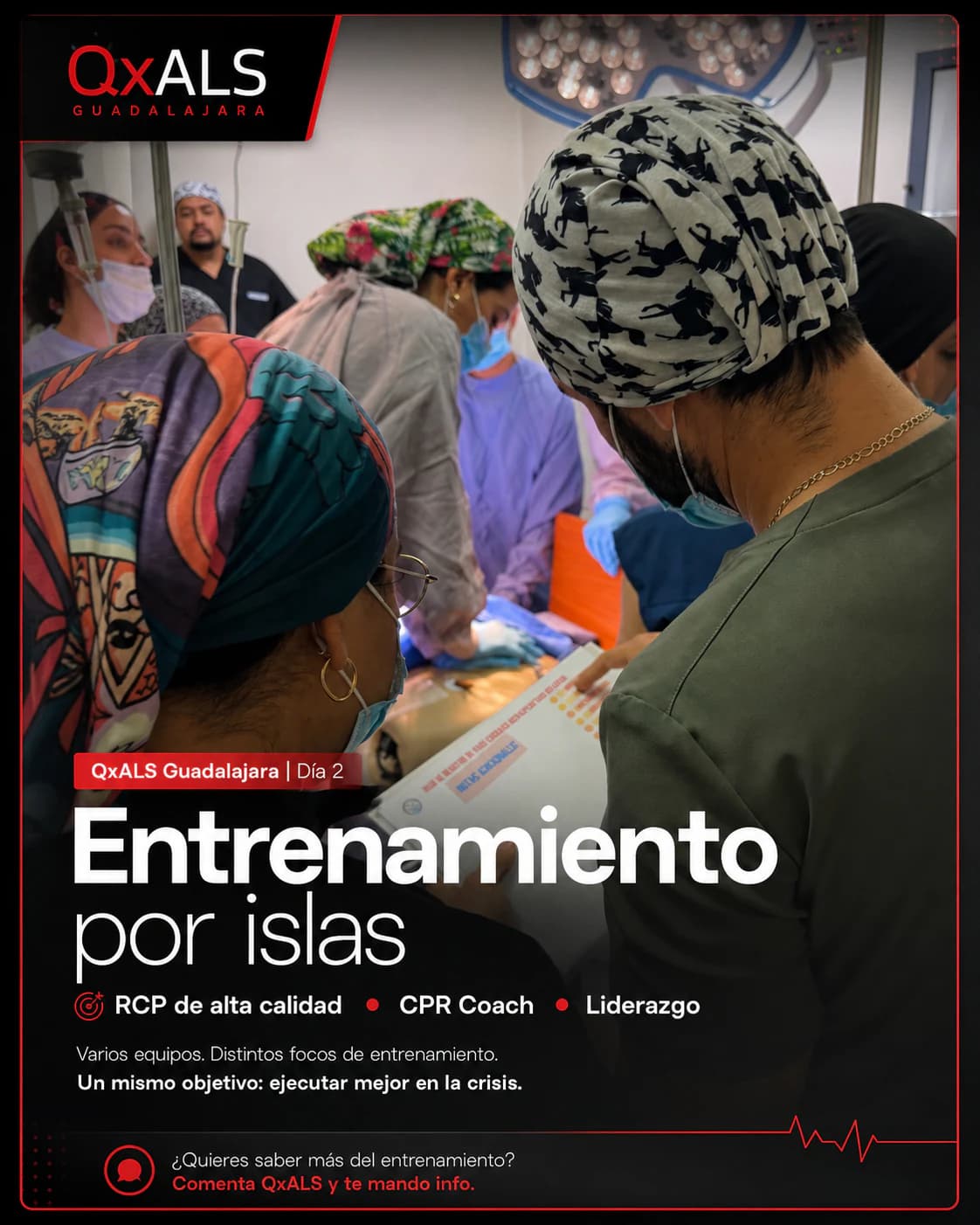
High-quality CPR, the CPR Coach role, and leadership are practiced with defined objectives.
Teams practice specific skills toward a common goal: performing better during a crisis.
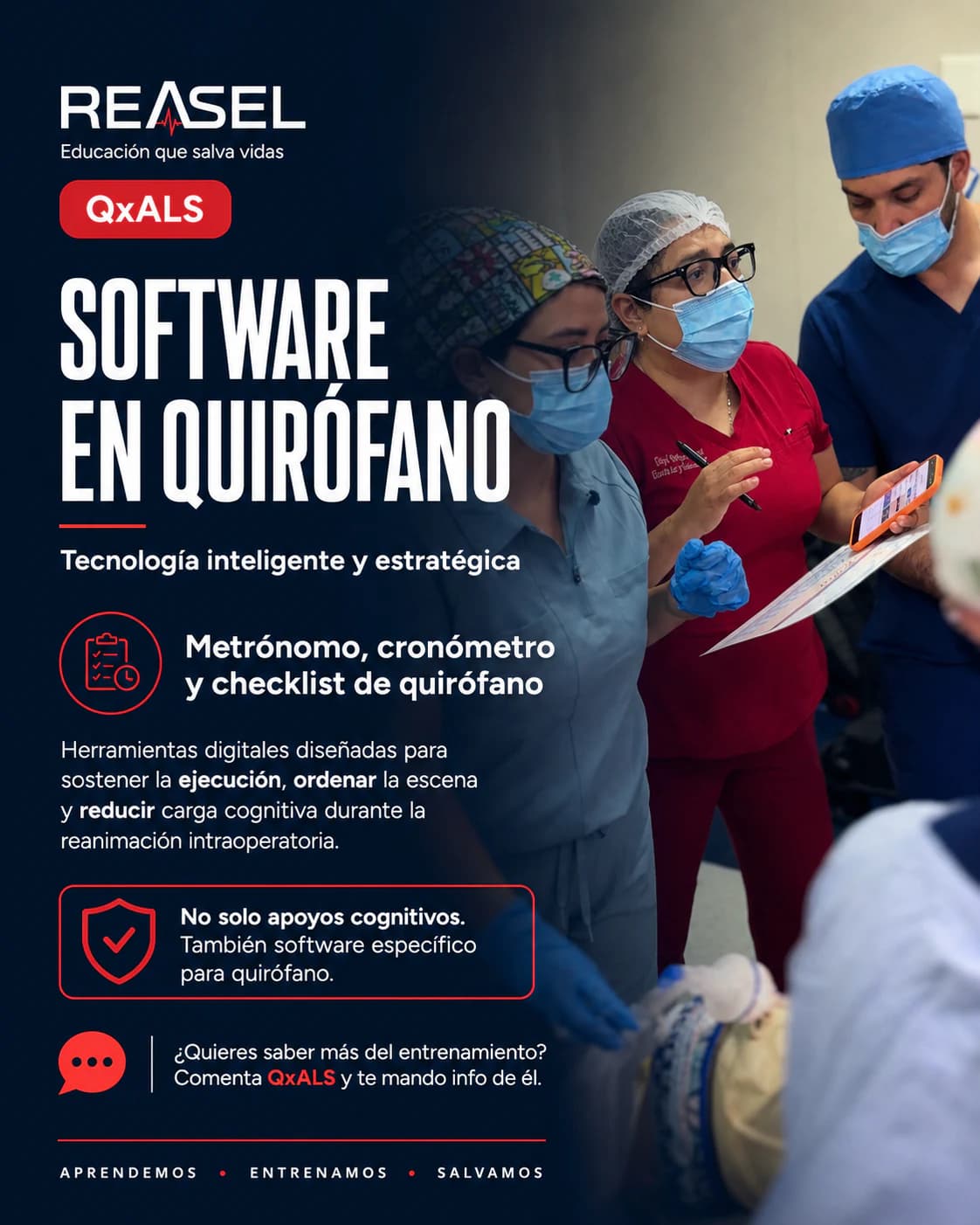
A metronome, timer, and checklists help structure the scene.
Technology should reduce cognitive load and support action, not distract the team.
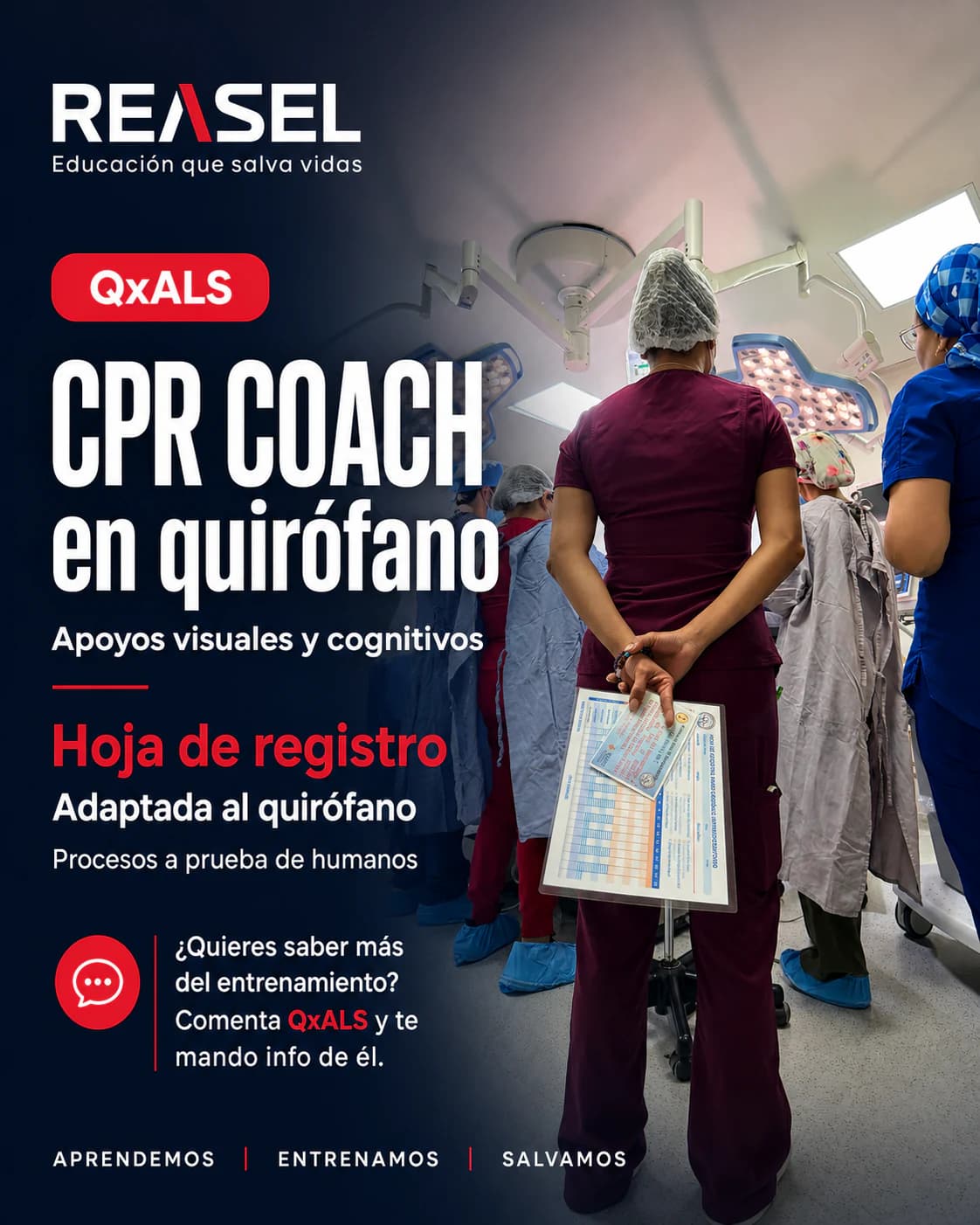
Visual and cognitive aids make team performance visible.
Recording, timing, and coaching help sustain performance under cognitive load.
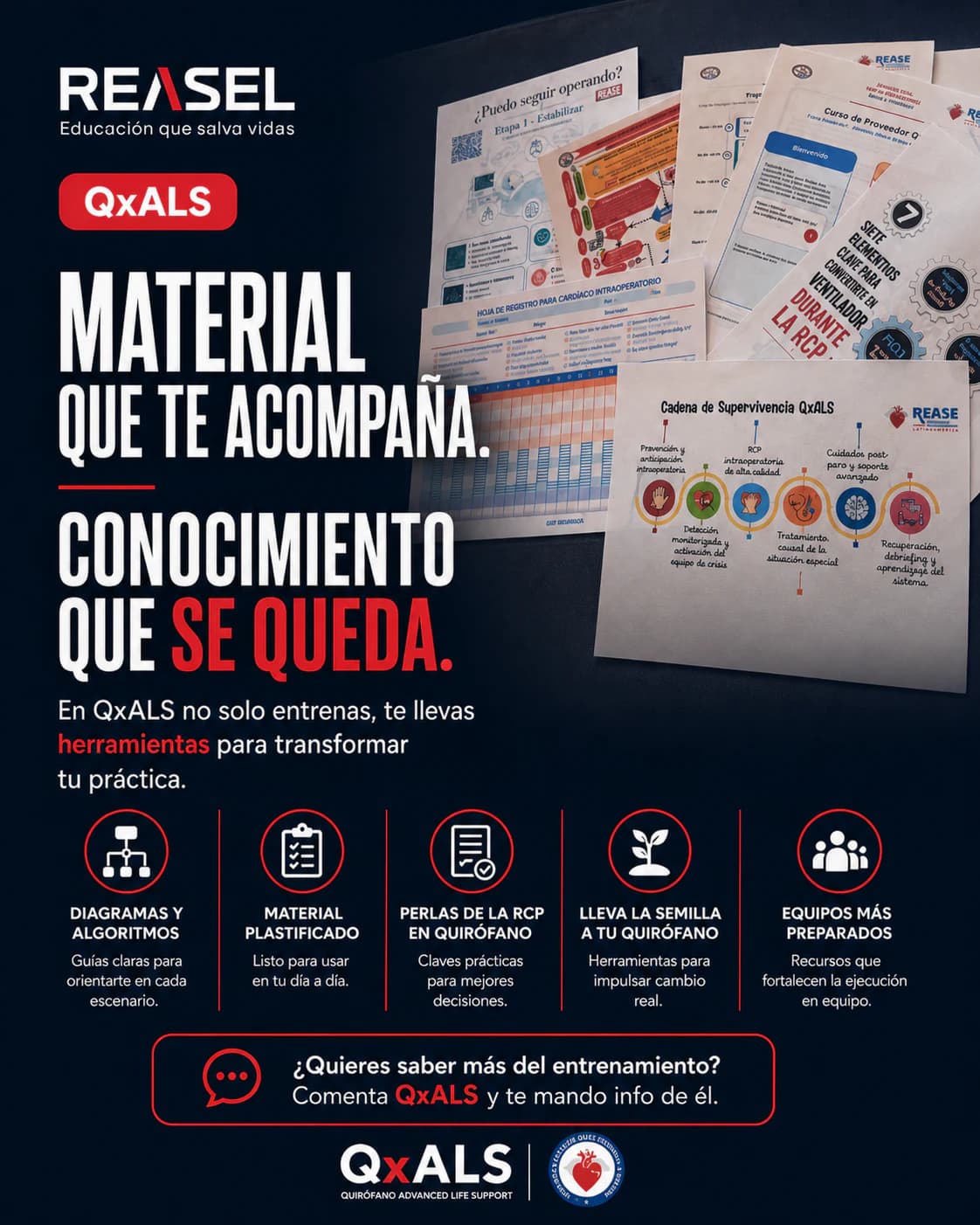
Diagrams, algorithms, and tools carry learning into everyday work.
The learning experience continues after leaving the venue: participants take away aids for practice.
Skills and tools
Positioning, pad placement, and action are practiced as one sequence, adapted to the perioperative setting and coordinated with other resuscitation priorities.
Positioning, pad placement, and action are trained as one sequence, adapted to the scenario without losing sight of resuscitation priorities.
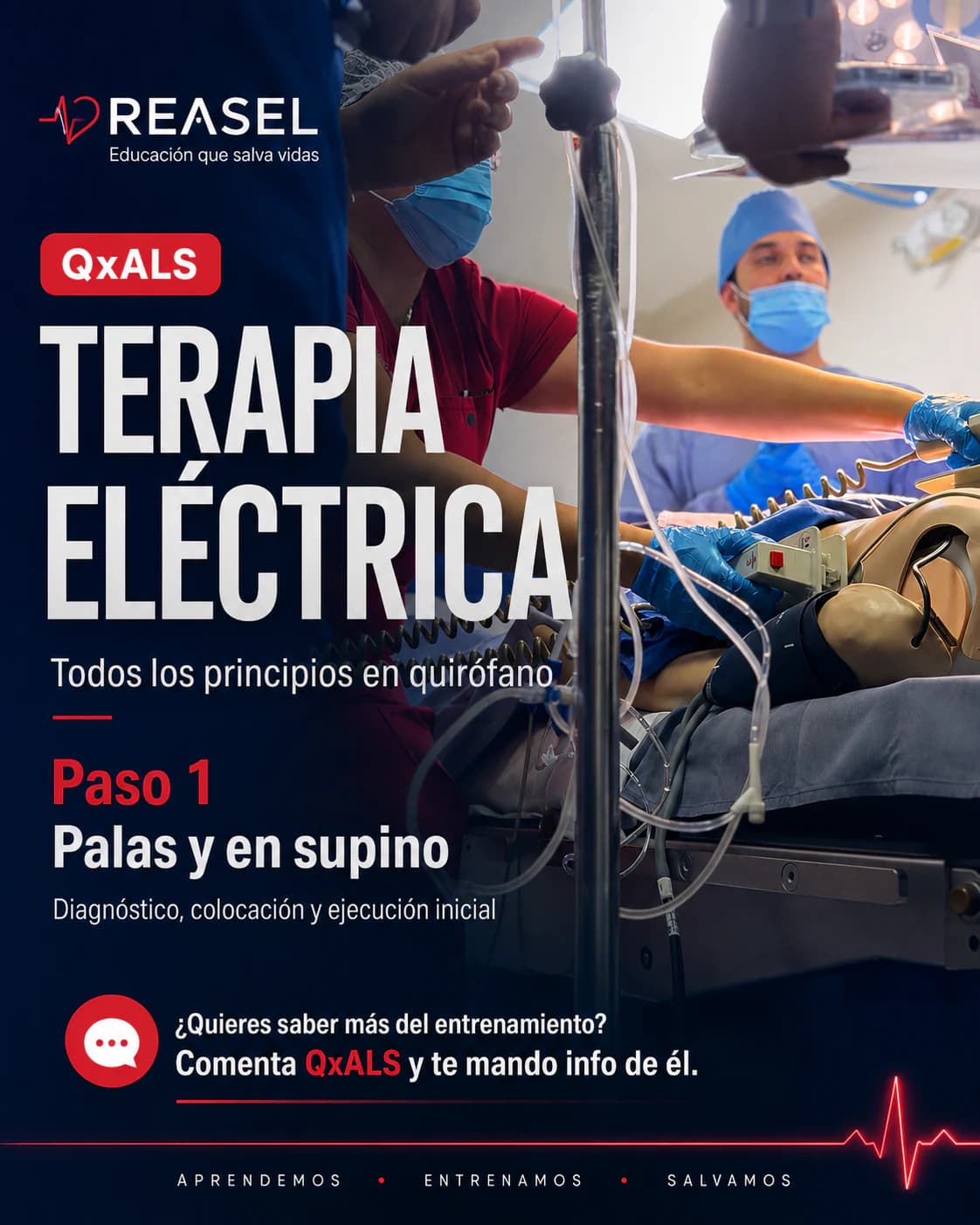
Diagnosis, pad placement, and initial action are practiced in the perioperative setting.
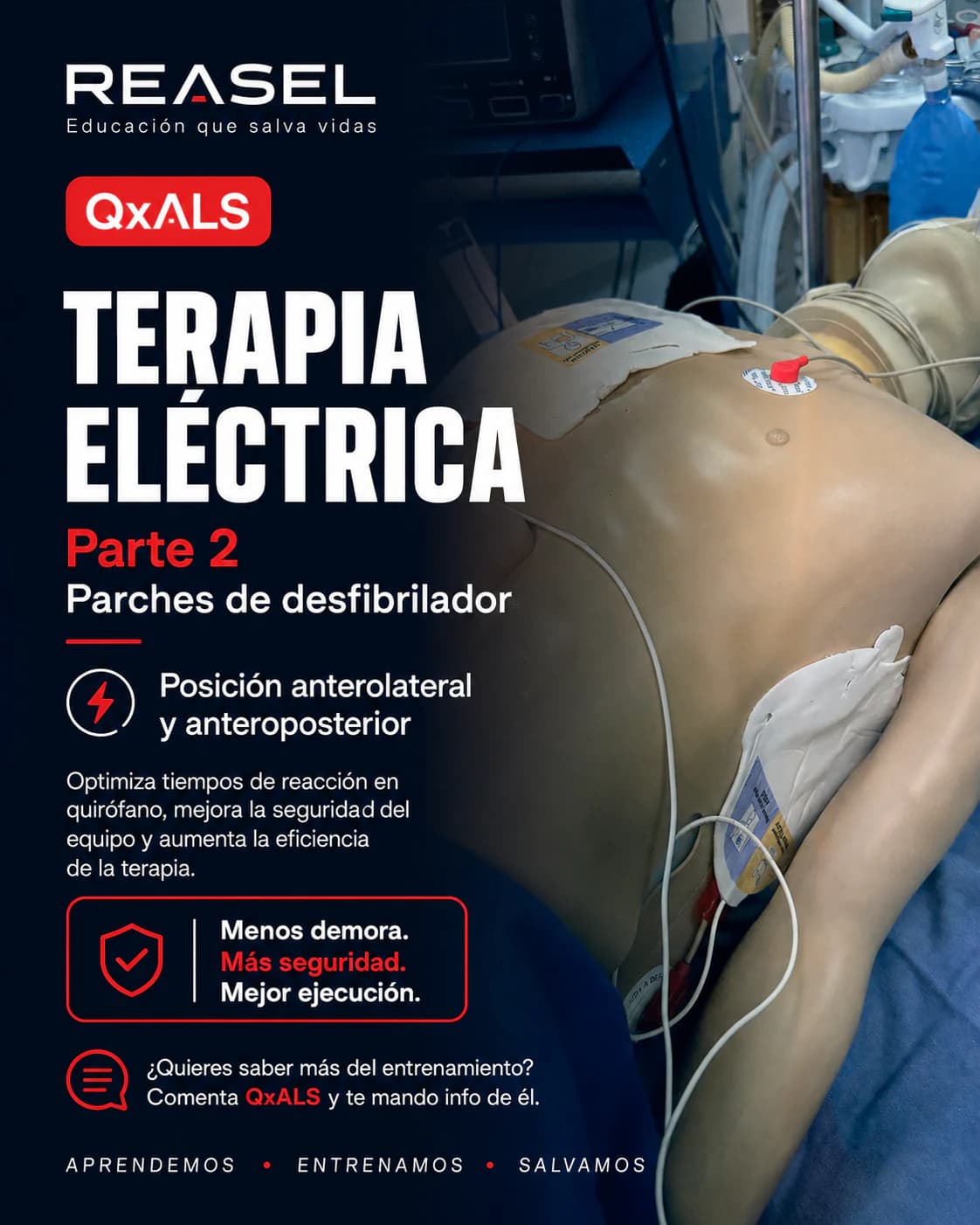
Anterolateral and anteroposterior pad placement are practiced with attention to the perioperative context.
Next step
Review venues, availability, and access options. Requesting a date starts a place review; confirmation follows verification of registration and the applicable payment.